Featured Snippet
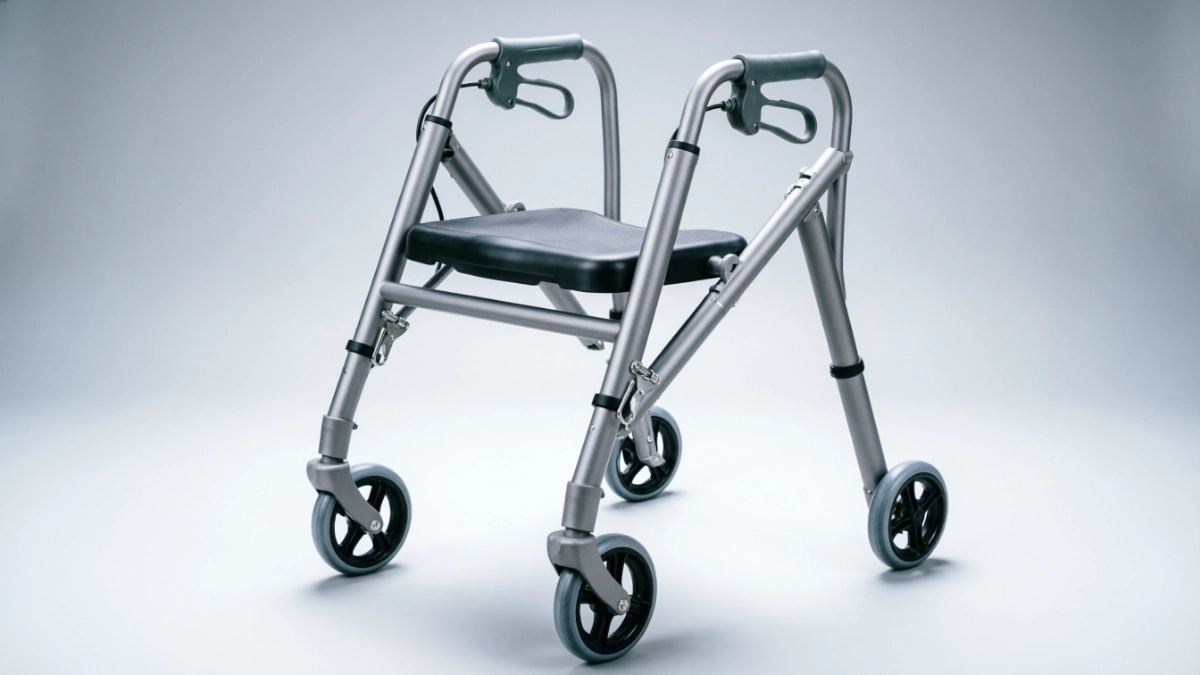
A lightweight folding travel walker with seat is a portable mobility aid designed to help travelers walk safely while providing a convenient place to rest. Most models fold quickly, fit into car trunks, cruise cabins, hotel rooms, and airport transportation, making travel easier for seniors and adults with limited mobility.
Travel should be exciting, not exhausting. Yet many travelers face challenges when walking through large airports, busy downtown districts, sprawling museums, or popular national parks. Long distances, uneven surfaces, and limited seating can quickly turn an enjoyable trip into a tiring experience.
A lightweight folding travel walker with seat solves many of these common travel problems. It combines mobility support, portability, and comfort in one compact design. Whether planning a scenic road trip across the American Southwest, a cruise through Alaska, or a weekend getaway to New York City, the right travel walker can help maintain freedom and confidence.
This guide explains everything travelers need to know, including key features, transportation tips, packing advice, accessibility considerations, common mistakes to avoid, and practical travel strategies for making the most of every journey.
How to Use a Lightweight Folding Travel Walker with Seat
- Unfold and lock the walker securely.
- Adjust the handle height for comfort.
- Walk at a steady pace using the hand grips.
- Engage the brakes before sitting.
- Fold the walker for transport or storage.
| Feature | Standard Walker | Travel Walker with Seat |
| Portability | Moderate | Excellent |
| Built in Seat | No | Yes |
| Travel Friendly | Limited | High |
| Storage Basket | Rare | Common |
For travelers exploring airports, national parks, cruise terminals, or city attractions, a lightweight folding travel walker with seat can reduce fatigue and increase independence during long sightseeing days.
Why Travelers Choose a Lightweight Folding Travel Walker with Seat
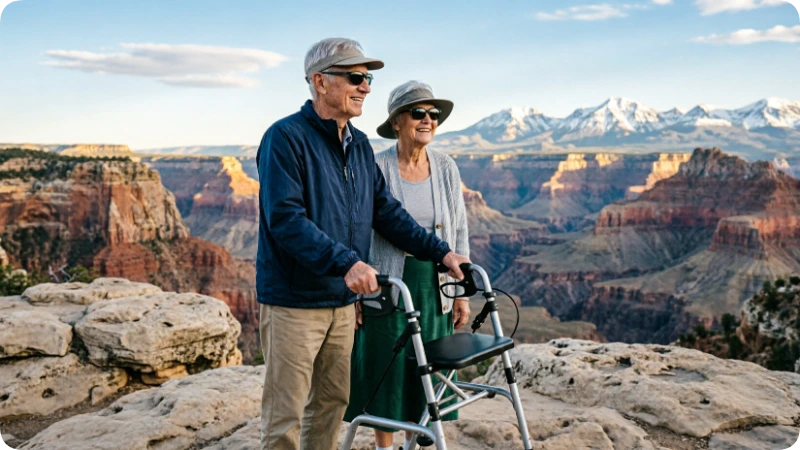
A lightweight folding travel walker with seat helps reduce physical strain while improving mobility during travel. Many modern models weigh between 12 and 20 pounds, making them easier to transport than traditional mobility devices.
Travelers often choose these walkers because they:
- Fold quickly for storage
- Provide a built in resting place
- Improve stability on various surfaces
- Include storage compartments
- Fit into most vehicles and hotel rooms
For many users, the ability to sit whenever needed becomes the biggest advantage during sightseeing adventures.
Quick Facts About Travel Walkers
| Feature | Typical Range |
| Weight | 12–20 lbs |
| Foldable Design | Yes |
| Seat Included | Yes |
| Storage Bag | Usually |
| Height Adjustable | Yes |
| Travel Friendly | Excellent |
| Indoor Use | Yes |
| Outdoor Use | Yes |
What Makes a Walker “Travel Friendly”?
A travel friendly walker focuses on portability without sacrificing stability. Manufacturers design these models specifically for transportation, storage, and everyday travel needs.
Important travel friendly features include:
- Lightweight aluminum frames
- One hand folding systems
- Compact storage dimensions
- Comfortable padded seats
- Durable wheels
- Locking brakes
The best travel models balance comfort and portability.
Who Benefits Most from a Travel Walker?
Travel walkers support many different travelers beyond seniors.
They are especially useful for:
- Older adults
- Travelers recovering from surgery
- Individuals with arthritis
- People with balance concerns
- Visitors managing chronic fatigue
- Cruise passengers
- Frequent flyers
Many users find they can extend their daily sightseeing time significantly when they have access to regular rest opportunities.
Key Features to Look For Before Buying
Selecting the right travel walker starts with understanding the most important features.
Lightweight Frame
Lighter models are easier to lift into vehicles, airport shuttles, and hotel rooms.
Comfortable Seat
A padded seat improves comfort during extended sightseeing days.
Reliable Brakes
Locking brakes create stability when sitting.
Storage Capacity
Look for:
- Under seat storage
- Travel pouches
- Shopping bags
- Water bottle holders
Adjustable Handles
Proper handle height improves posture and reduces arm fatigue.
Air Travel with a Lightweight Folding Travel Walker with Seat
Air travel becomes much easier when mobility equipment is easy to transport. Most folding walkers can accompany travelers through airport terminals and boarding areas.
Before flying:
- Contact the airline regarding mobility equipment policies.
- Verify dimensions and weight requirements.
- Arrive earlier than usual.
- Request assistance if needed.
Policies can change, so always verify directly with airlines and airport authorities before departure.
Navigating Major U.S. Airports
Large airports often involve extensive walking distances.
Common examples include:
- Hartsfield Jackson Atlanta International Airport
- Dallas Fort Worth International Airport
- Denver International Airport
- Los Angeles International Airport
A travel walker with a seat provides both support and convenient resting opportunities while navigating terminals.
Road Trips and Travel Walkers
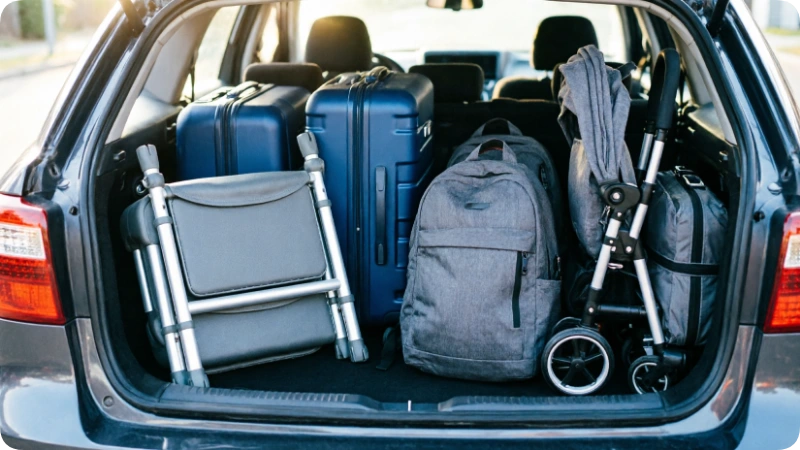
Road trips remain one of the most mobility friendly vacation styles in America.
Benefits include:
- Flexible schedules
- Frequent rest stops
- Easy equipment storage
- Accessible sightseeing opportunities
Because travel walkers fold compactly, they fit comfortably into most car trunks and SUV cargo areas.
Best Destinations for Travelers Using Walkers
Many destinations offer accessible pathways, transportation, and visitor facilities.
National Parks
Several parks feature accessible trails and visitor centers.
Popular choices include:
- Grand Canyon National Park
- Yellowstone National Park
- Acadia National Park
Cities
Urban destinations with accessible transportation include:
- Washington
- San Diego
- Chicago
Cruise Travel and Mobility Support
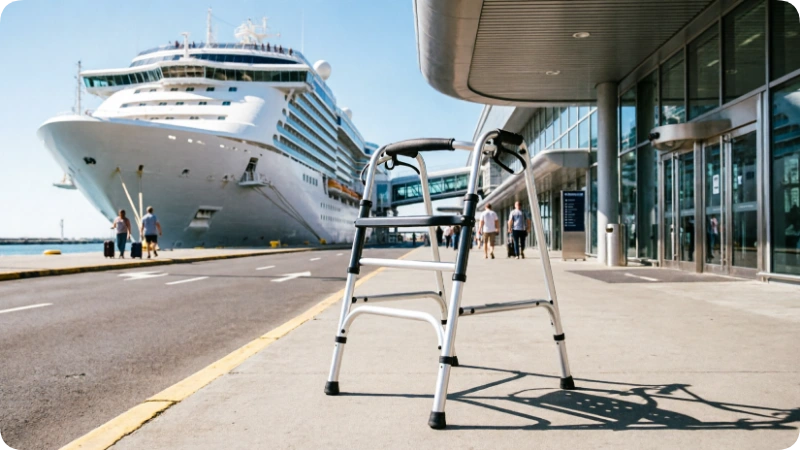
Cruises are among the easiest vacations for travelers using walkers.
Advantages include:
- Accessible cabins
- Elevators throughout ships
- Organized excursions
- Onboard seating options
A folding walker stores easily inside most cruise cabins without occupying excessive space.
Hotel Considerations Before Booking

Choosing the right accommodation can greatly improve travel comfort.
Before booking:
- Confirm accessible room availability.
- Ask about elevator access.
- Verify doorway widths.
- Check bathroom accessibility.
Always contact the property directly because room configurations can vary.
Packing Tips for Travel Walker Users
Packing efficiently reduces travel stress.
Essential items include:
- Medication supplies
- Travel insurance documents
- Walker maintenance tools
- Portable phone charger
- Reusable water bottle
Keep frequently used items in the walker’s storage pouch for easy access.
Five Insider Tips Experienced Travelers Use
1. Request Airport Assistance Early
Early requests often reduce waiting times significantly.
2. Choose Shoulder Season Travel
Crowds are smaller and transportation is easier to navigate.
3. Stay Near Attractions
Walking distances decrease dramatically.
4. Use Visitor Centers
Visitor centers often provide accessibility information and maps.
5. Schedule Rest Breaks
Regular breaks improve energy management throughout the day.
Three Hidden Gems for Accessible Travel
Accessible Scenic Drives
Many scenic routes offer incredible views without long walks.
Historic Trolley Tours
These tours often provide city access with minimal physical effort.
Waterfront Boardwalks
Many coastal communities maintain smooth pathways suitable for walkers.
Common Travel Mistakes and How to Avoid Them
Mistake 1: Choosing the Lightest Model Only
Fix: Balance weight with stability and comfort.
Mistake 2: Ignoring Seat Comfort
Fix: Test seating support before purchase.
Mistake 3: Skipping Practice
Fix: Use the walker regularly before traveling.
Three Underrated Alternatives
Some travelers may prefer alternatives depending on mobility needs.
Rollators
Often provide larger wheels and enhanced maneuverability.
Transport Chairs
Useful for travelers needing occasional assistance.
Travel Scooters
Helpful for covering very long distances.
Each option offers different benefits depending on the travel scenario.
Safety Tips While Traveling
Safe mobility should remain a top priority.
Key recommendations include:
- Lock brakes before sitting.
- Avoid steep slopes when possible.
- Keep bags balanced.
- Stay hydrated.
- Watch for uneven pavement.
A few simple precautions can prevent many travel related accidents.
Accessibility at Popular Attractions
Many major U.S. attractions continue improving accessibility.
Examples include:
- Smithsonian Institution
- Statue of Liberty
- Golden Gate Bridge
Accessibility features vary, so verify current conditions before arrival.
Is a Lightweight Folding Travel Walker with Seat Worth It?
For many travelers, the answer is yes.
Benefits often include:
- Greater independence
- Increased sightseeing time
- Reduced fatigue
- Better confidence
- Improved travel comfort
However, travelers needing extensive mobility assistance may benefit more from a scooter or transport chair.
How Long Can Travelers Use One Each Day?
Most users comfortably use a travel walker throughout a full day of sightseeing when taking regular breaks.
Factors affecting usage include:
- Physical condition
- Terrain
- Weather
- Travel pace
- Walker design
Frequent rest periods help maximize comfort and endurance.
What Is Overrated and What Is Underrated?
Overrated
- Overpacking accessories
- Choosing style over function
- Extremely heavy duty models for casual travel
Underrated
- Compact folding designs
- Shoulder season travel
- Staying near attractions
- Comfortable seat padding
These factors often make a bigger difference than travelers expect.
Sample Day Trip Using a Travel Walker
Morning
- Breakfast near accommodation
- Museum visit
- Visitor center stop
Afternoon
- Scenic drive
- Waterfront walk
- Lunch break
Evening
- Sunset viewing area
- Early dinner
- Comfortable return to hotel
This balanced approach helps reduce fatigue while maximizing enjoyment.
Frequently Asked Questions
Can a lightweight folding travel walker with seat go on an airplane?
Yes. Most airlines accommodate mobility devices. Travelers should contact their airline before departure to confirm current requirements and procedures.
How much does a travel walker usually weigh?
Most travel focused models weigh between 12 and 20 pounds. Weight varies depending on materials, seat size, wheel design, and storage features.
Are travel walkers allowed on cruises?
Yes. Most major cruise lines allow folding walkers onboard. Travelers should verify accessibility policies and cabin dimensions before booking.
Can a travel walker fit inside a car trunk?
Most lightweight folding models fit easily in standard sedans, SUVs, and rental vehicles. Checking folded dimensions before purchase is recommended.
Are travel walkers suitable for national parks?
Many national parks offer accessible paths, visitor centers, scenic overlooks, and transportation services that work well with travel walkers.
What is the biggest benefit of a walker with a seat?
The built in seat allows travelers to rest whenever needed. This feature often extends sightseeing time and reduces fatigue significantly.
Should travelers choose a walker or a mobility scooter?
Travelers who can walk comfortably but need support often prefer walkers. Those covering very long distances may find scooters more practical.
Conclusion
A lightweight folding travel walker with seat can transform the travel experience by combining mobility support, comfort, and convenience in one portable package.
The biggest advantages are simple: greater independence, less fatigue, and more opportunities to explore. Whether traveling through airports, national parks, cruise terminals, museums, or historic downtown districts, the right walker helps travelers stay active and confident.
Before purchasing, compare weight, seat comfort, folding design, storage options, and travel requirements. Most importantly, choose a model that matches personal mobility needs and travel goals. With proper planning, accessible travel can remain enjoyable, comfortable, and full of memorable adventures.